6 business blog examples built with Ghost
A business blog should help readers before asking them to act. They may then visit a shop, explore a product, or book a demo. The layout should help them find useful articles. It should also make the link to the business clear.
These six blogs from the customer showcase use three themes: Krabi, Penang and Marsa. Set up shops, booking tools and other external services separately.
Tap Payments
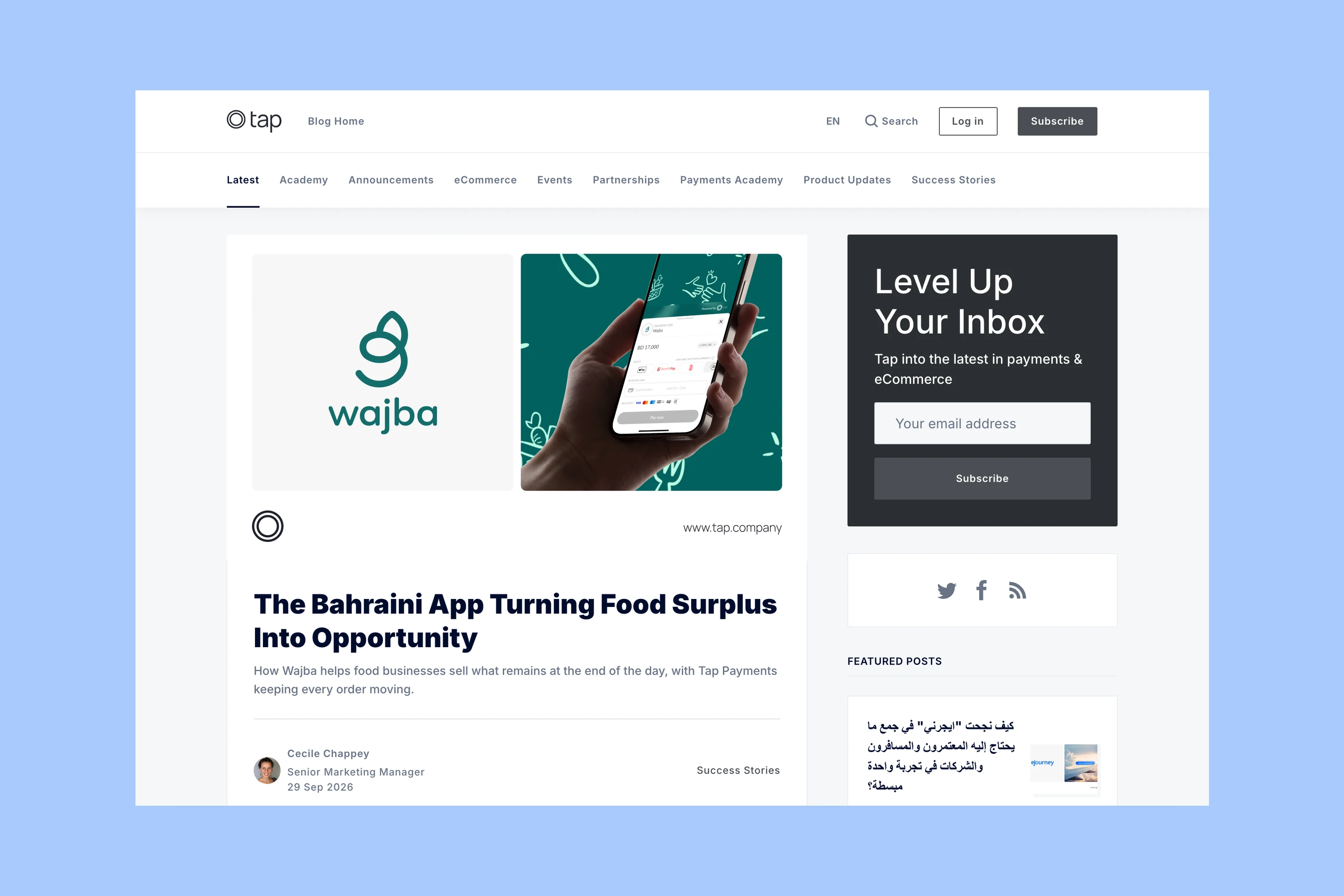
Tap Payments shares customer stories and payment lessons. It also shares news of partnerships and product updates. Its tag links include Success Stories, Announcements, and Payments Academy. These links separate examples of the service in use from lessons and company news. Readers can choose what they need before opening an article.
Theme: Krabi.
Wonderful.org
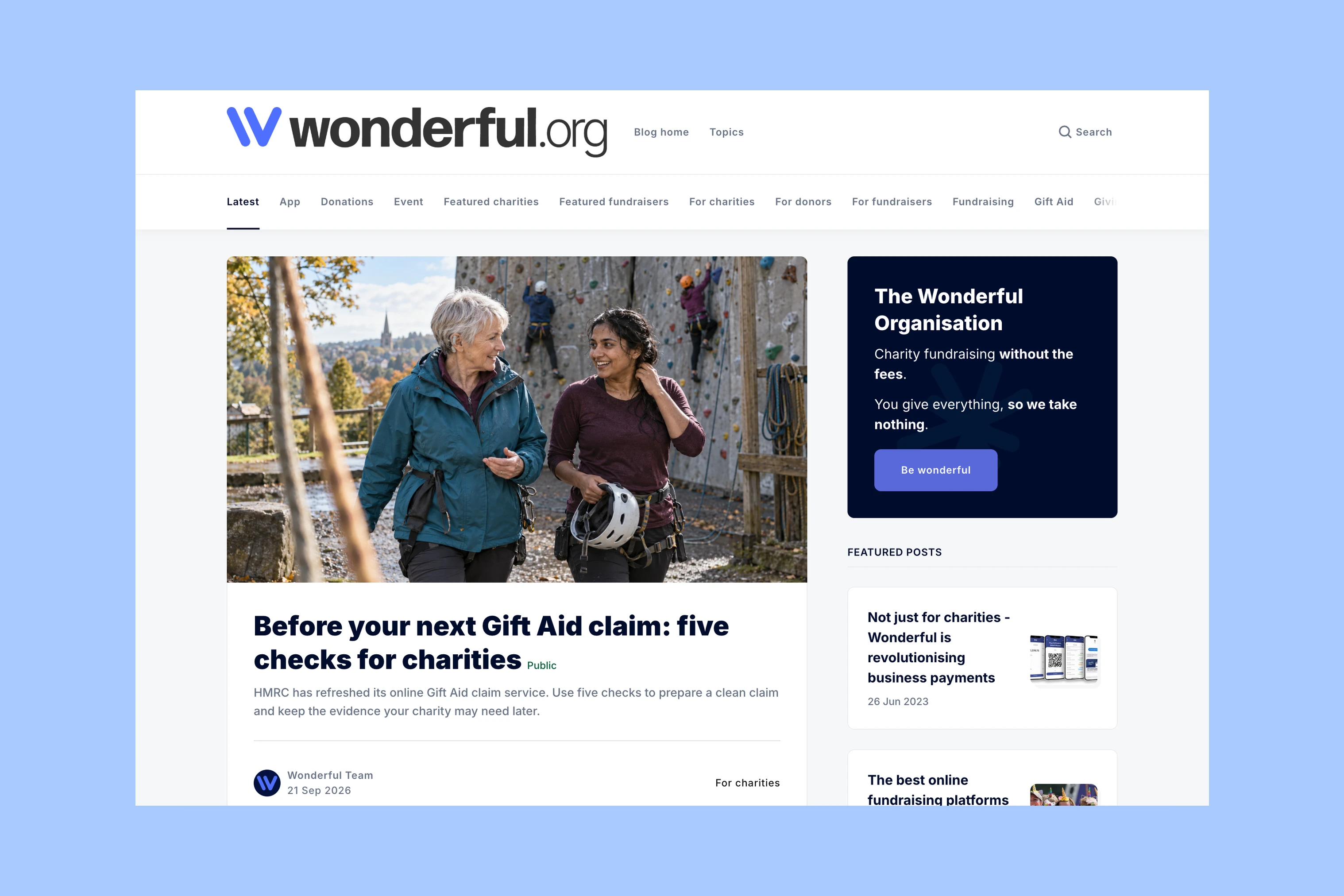
Wonderful.org shares fundraising advice for charities, donors, and fundraisers. Its tag links give each group its own route. Someone planning a fundraiser can use the link for fundraisers. They need not sort through advice for donors. Wonderful groups articles by audience; Tap groups them by purpose.
Theme: Krabi.
Skill Samurai Lane Cove
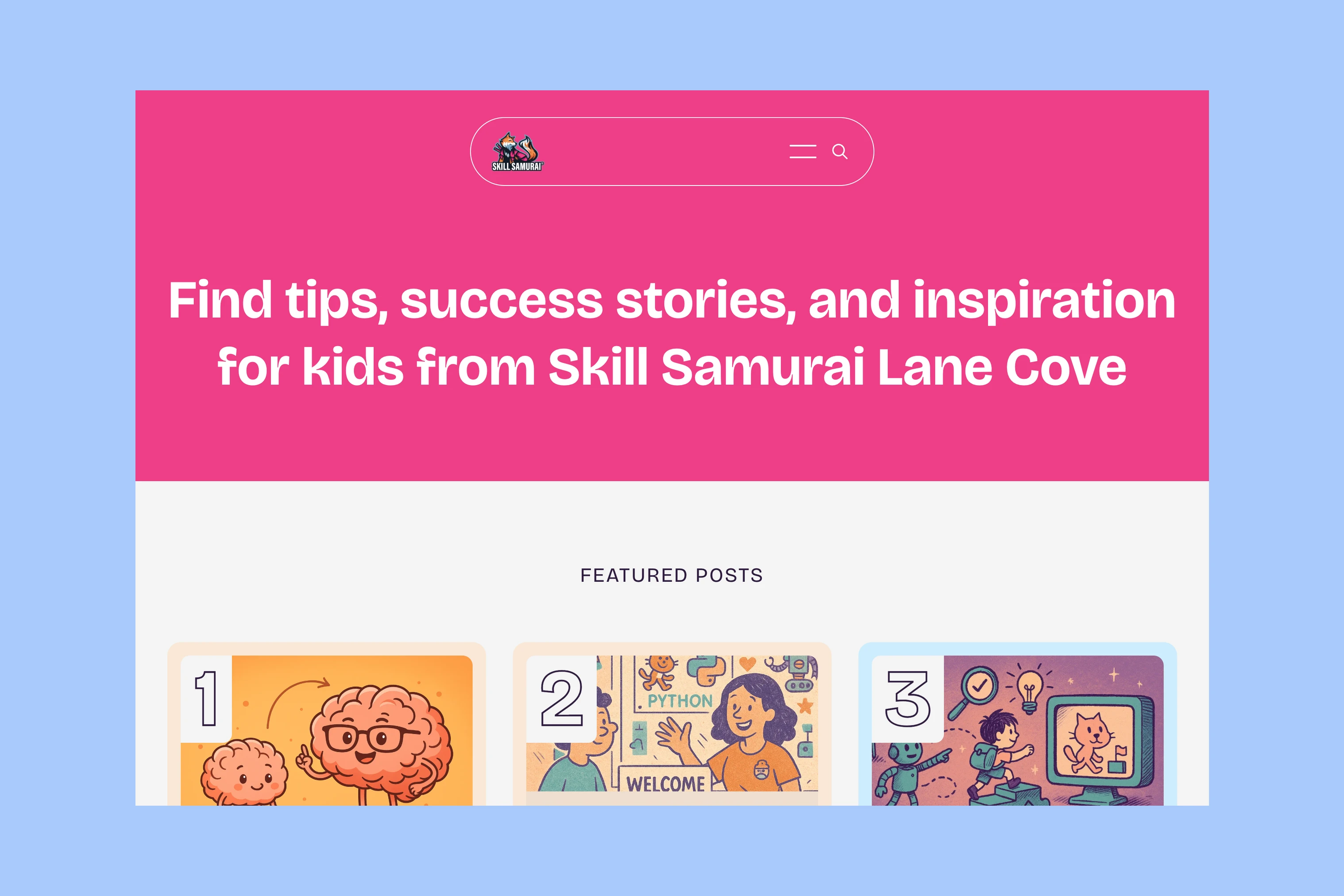
Skill Samurai Lane Cove writes about teaching children to code. It shares advice for parents and stories about students. The homepage has Parents, Pedagogy, and Spotlight sections. Each brings together several stories. Families can sample the teaching approach and student work there. They can then choose a full article.
Theme: Marsa.
Nuvotex
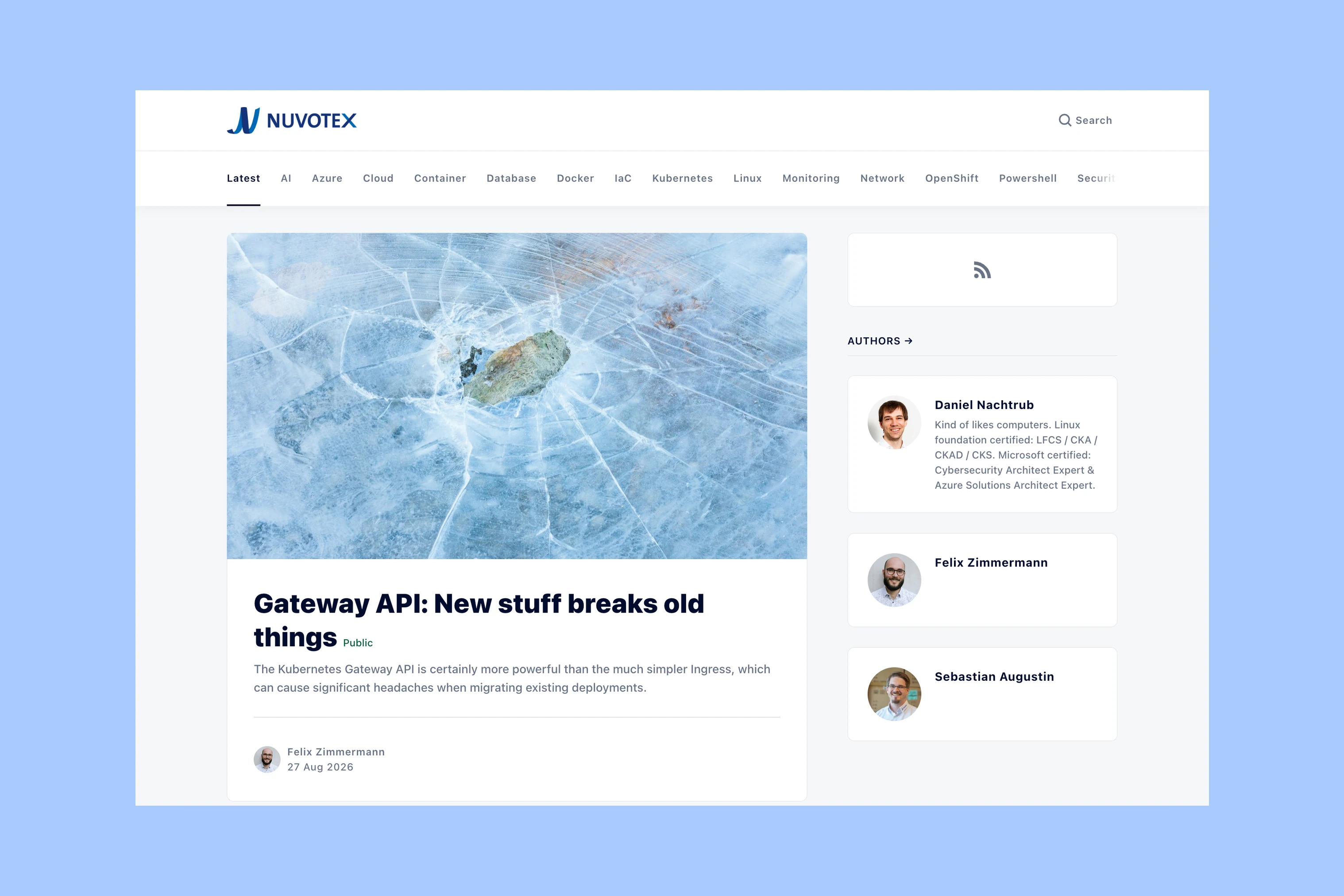
Nuvotex writes about infrastructure and software. Its navigation names tools such as Linux, Azure, and Kubernetes. Readers can start with a tool they already use. This suits readers who know those names. Audience labels like Wonderful’s would help them choose by role instead. Compare more layouts in the technology website examples.
Theme: Krabi.
The next two blogs link to their businesses alongside their advice.
Rua do Café
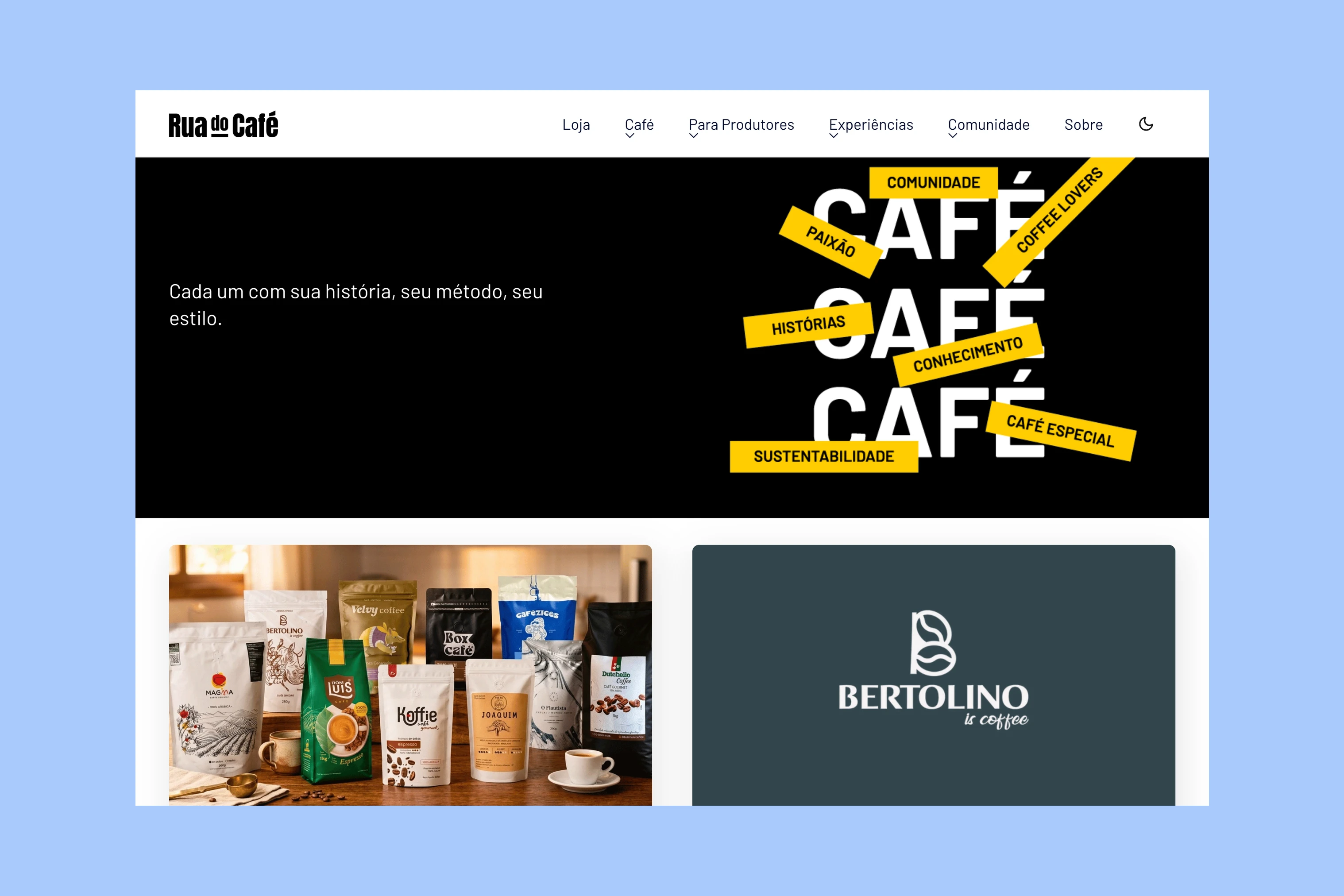
Rua do Café writes about coffee in Portuguese. It covers preparation, origins, producers, equipment, and recipes. Coffee tags sit alongside a separate shop link. Visitors can keep learning or go to the store. The article feed does not become a product catalogue.
Theme: Penang.
Opinew
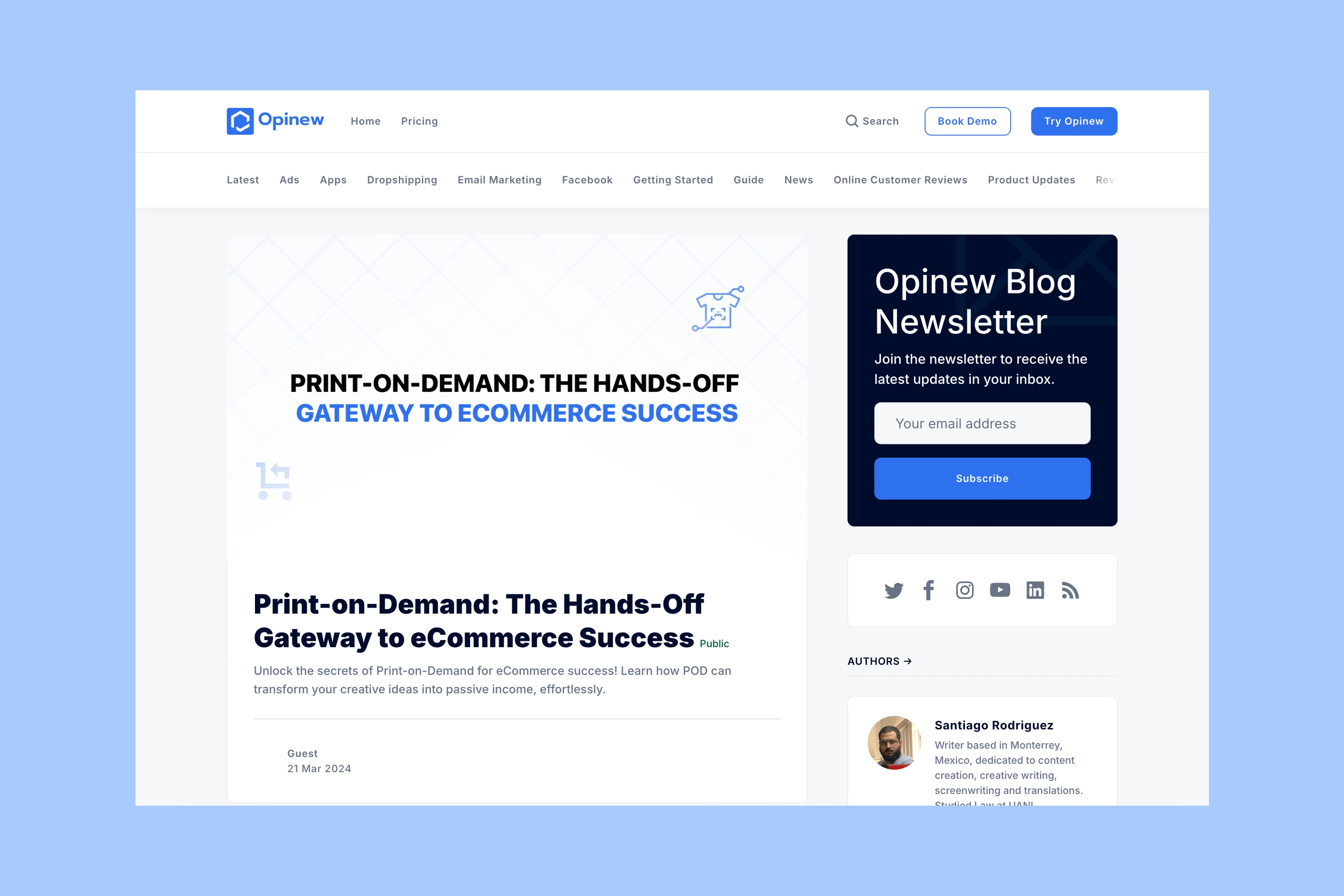
Opinew writes about ecommerce, Shopify, customer reviews, and marketing. Header links lead to pricing, demo booking, and the app. They stay separate from the article tags. Readers can go straight to the product to assess it. Those researching a question can stay on the blog.
Theme: Krabi.
The customer’s next step
Choose labels based on how customers approach your work. They may start with their role, their subject, or an article type. Keep the route to your shop or product separate.
For the layout, consider these options:
More from the Blog
Latest Ghost Themes

Arish
For visual magazines that lead with photography, film, and selected stories.
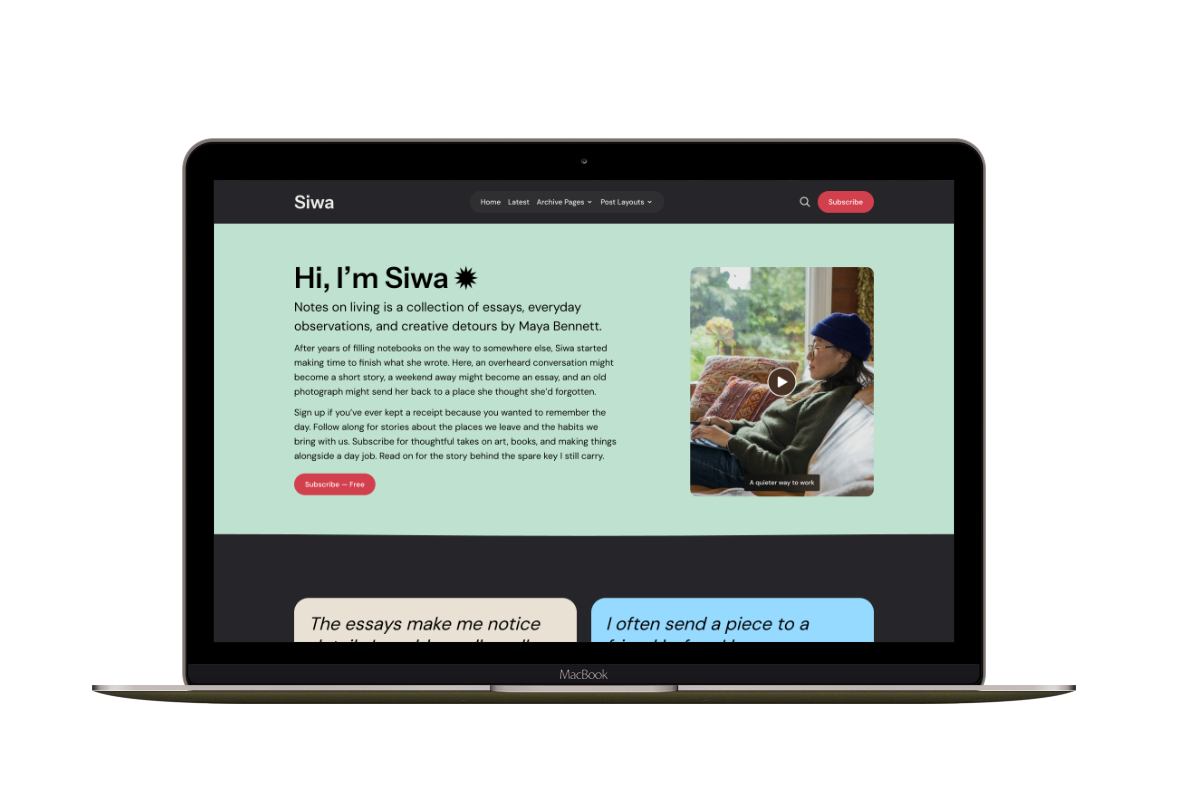
Siwa
A personal publication that introduces the writer before inviting readers into the stories.
Hanoi
An image-led magazine for creative stories, rich navigation, and long-form reading.
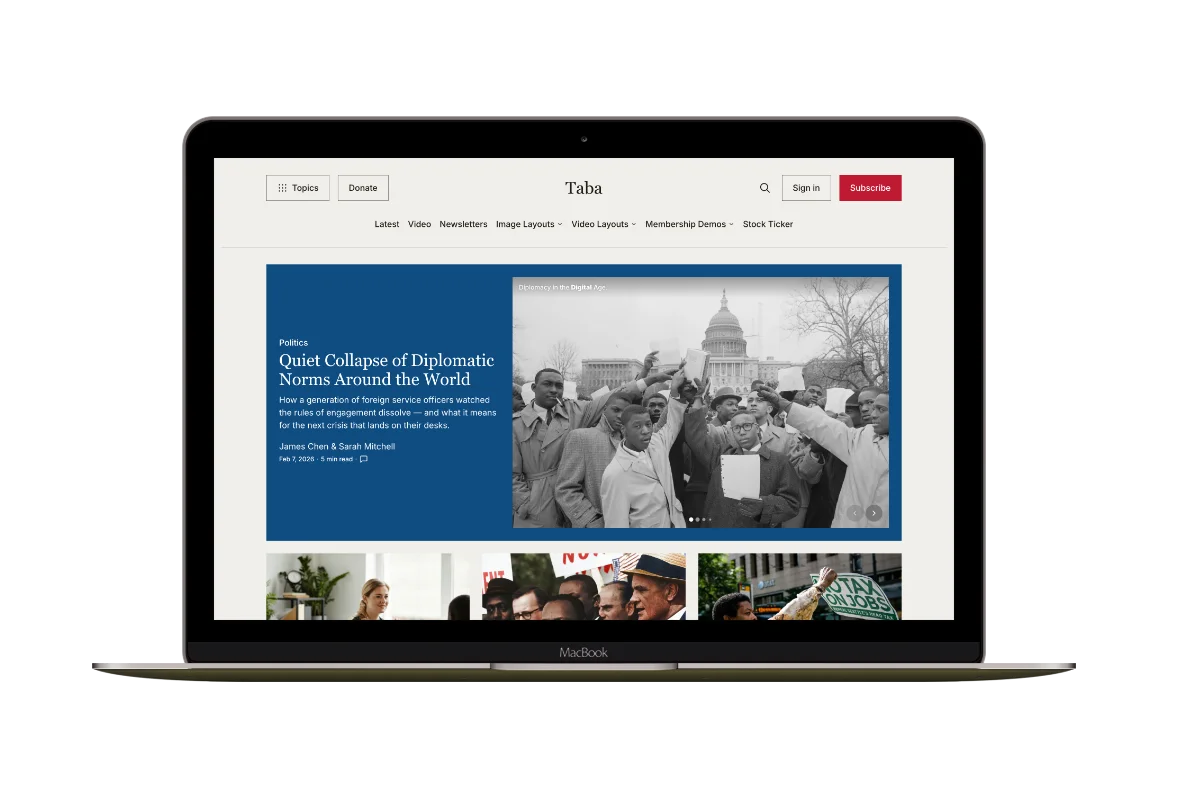
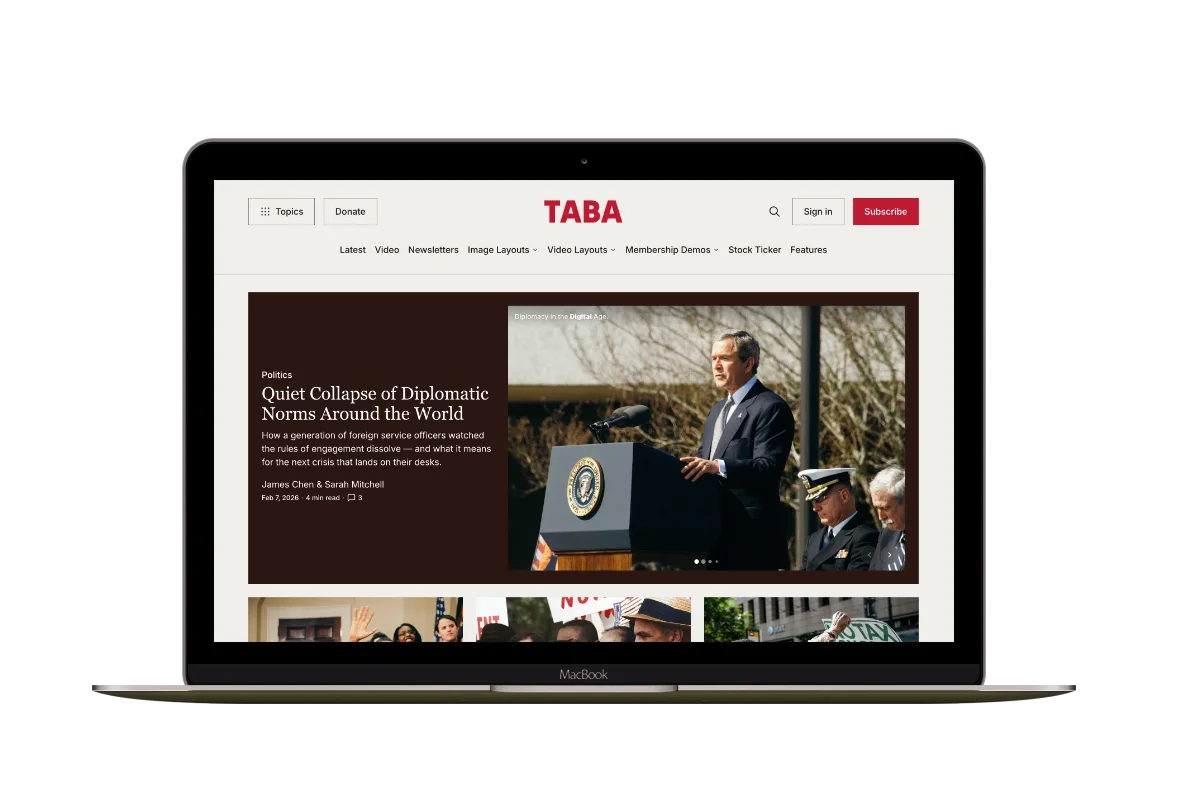
Taba
A newsroom front page for coverage across topics, video, and story formats.
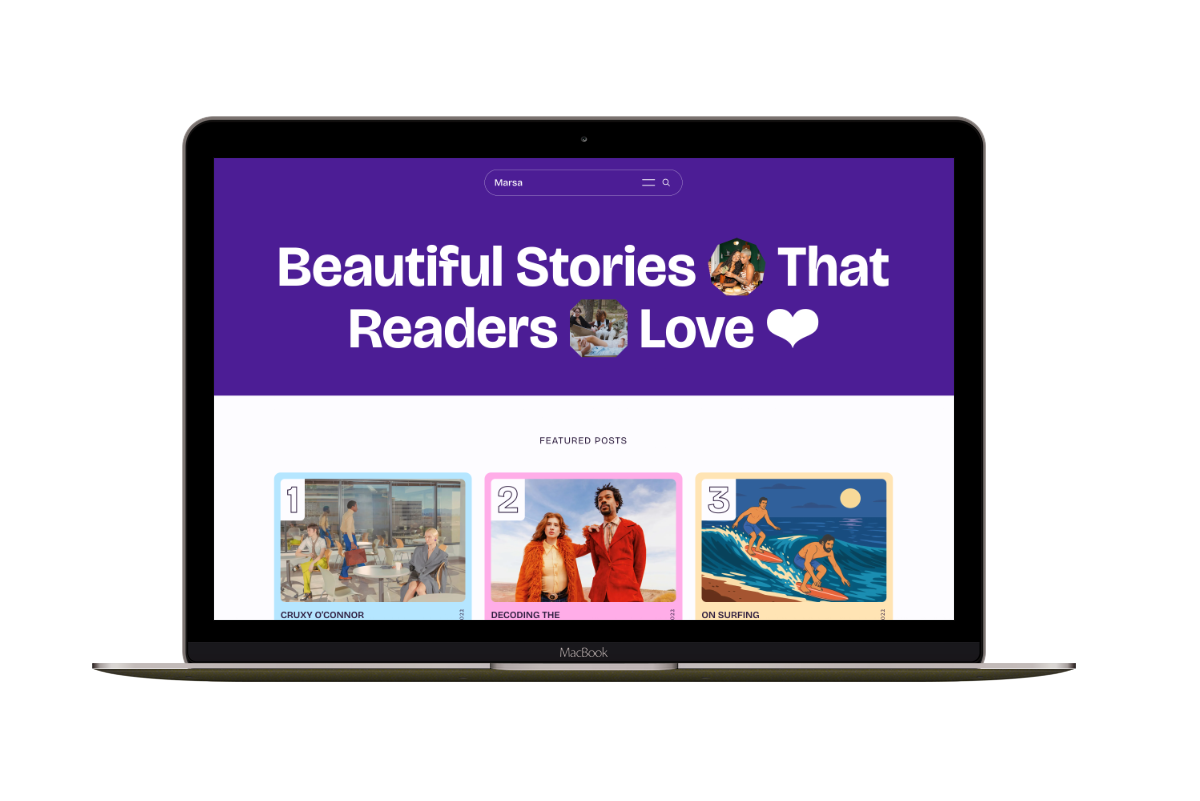
Marsa
A flexible publication homepage for featured stories, topics, and newsletters.
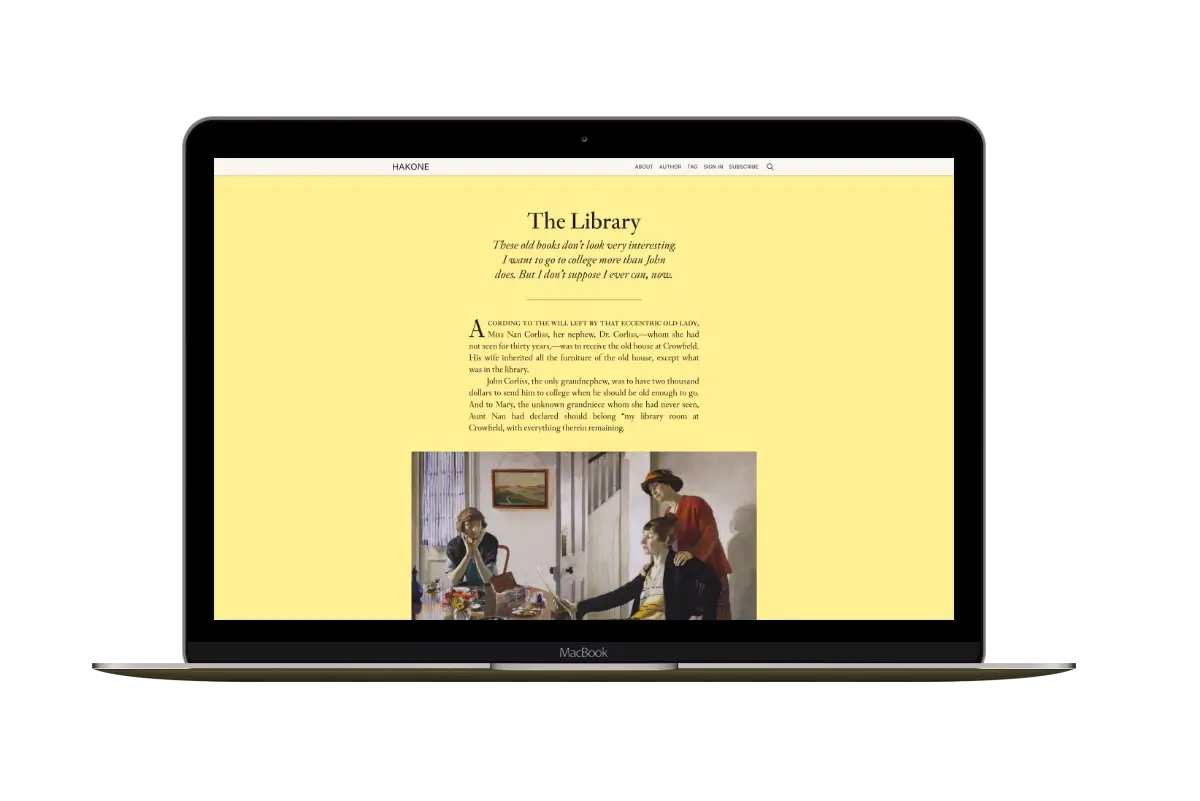
Hakone
For writers who want readers to browse complete posts on the homepage.